James Forbes
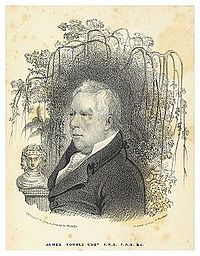
Information about the writer
- Full name: James Forbes
- Birth: 1749 - Londres, Inglaterra
- Decease: 1818
Description
Source(s) of data
- MORAES, Rubens Borba de. Bibliographia Brasiliana. Los Angeles: UCLA; Rio de Janeiro: Kosmos, 1983. 2 v.
Source: https://en.wikipedia.org/wiki/James_Forbes_(artist)
James Forbes (1749–1819) was a British artist and writer. Born in London to a Scots family, Forbes travelled to India in 1765 as a writer for the British East India Company and was resident there until 1784. He was a prolific writer and artist and filled 52,000 manuscript pages with notes and sketches concerning all aspects of Indian life, its wildlife, flora and architecture. In 1781 he visited the Taj Mahal and became one of the first Europeans to draw it. After returning to England he married and toured continental Europe extensively, including a grand tour in 1796 and 1797 of Germany, Switzerland, and Italy. He eventually returned to England to write Oriental Memoirs. Largely based on his notes and sketches, it was subtitled selected and abridged from a series of familiar letters written during seventeen years residence in India: including observations on parts of Africa and South America, and a narrative of occurrences in four India voyages was published in volumes beginning in 1813. The book remains a valued record of the culture, flora and fauna of India at the time. Forbes also published a work in 1810 which advocated the conversion of Hindus to Christianity. The city of Forbesganj in Araria District in the state of Bihar is named after him. He used to live in the place called Sultan pokhar (pond), and the house in which he lived still stands at the compound . The Area around his house was called Residential area, in short form R-Area, which gradually over time, mixing with the local tongue, changed into Araria *R-Area.
| Title | Translated | Classification | Year |
|---|
| Beginning year | Ending year | Description |
|---|---|---|
| 1789 | 1799 | Revolução Francesa |
| 1783 | 1783 | Brasil Colônia: Luis da Cunha Meneses toma posse da Capitania de Minas Gerais |
| 1788 | 1788 | Brasil Colônia: Luís da Cunha Meneses deixa o Governo de Minas Gerais |
| 1792 | 1792 | Inconfidência Mineira: enforcamento de Tiradentes, em 21 de abril |
| 1808 | 1808 | Brasil Colônia: chegada da família real portuguesa ao Brasil |
| 1808 | 1808 | Economia: abertura dos portos brasileiros ao comércio livre |
| 1815 | 1815 | Brasil Colônia: o Brasil é elevado a Reino Unido de Portugal e Algarves |
| 1808 | 1808 | Criação da Imprensa Régia no Brasil |
| 1782 | 1782 | Brasil Colônia: Tomás Antônio Gonzaga chega a Vila Rica |
| 1785 | 1785 | Brasil Colônia: a Coroa Portuguesa aumenta os impostos sobre o ouro nas Minas Gerais |
| 1807 | 1807 | Pressão francesa para ruptura da aliança entre Portugal e Inglaterra |
| 1807 | 1807 | Invasão de Portugal por tropas de Napoleão |
| 1808 | 1808 | Cultura: instalação da Biblioteca Real no Hospital da Ordem Terceira do Carmo, Rio de Janeiro |
| 1808 | 1808 | Fundação do Arquivo Nacional |
| 1811 | 1811 | Cultura: inauguração da Biblioteca Real no Rio de Janeiro |
| 1808 | 1808 | Economia: permissão da instalação de fábricas e manufaturas no Brasil (1 de abril) |
| 1810 | 1810 | Cultura: decreto de regulamentação do teatro no Brasil |
| 1814 | 1814 | Proibição da posse e leitura das Fábulas de Jean de La Fontaine, traduzidas por Francisco Manuel do Nascimento |
| 1817 | 1817 | Proibição da circulação em Portugal e seus domínios do jornal Correio Braziliense, de Hipólito José da Costa |
| 1818 | 1818 | Compra da biblioteca do arquiteto José da Costa e Silva pelo governo português e sua incorporação à Biblioteca Real (RJ) |
| 1794 | 1794 | A Convenção Francesa aprova a abolição da escravidão em suas colônias |
| 1789 | 1789 | Política: Ocorrem as primeiras eleições presidenciais nos Estados Unidos |
| 1816 | 1816 | Toda família Bonaparte é afastada da França por lei do governo francês |
| 1763 | 1763 | Brasil Colônia: com o desenvolvimento econômico do Brasil, Portugal eleva a colônia a Vice-Reinado |
| 1500 | 1822 | Período Colonial no Brasil |
Comments
